
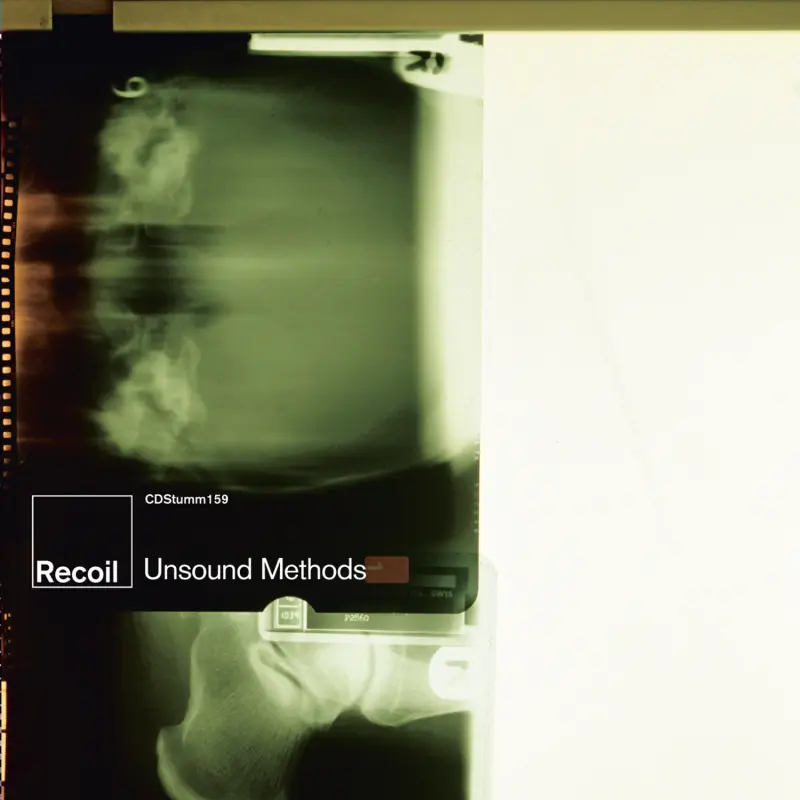
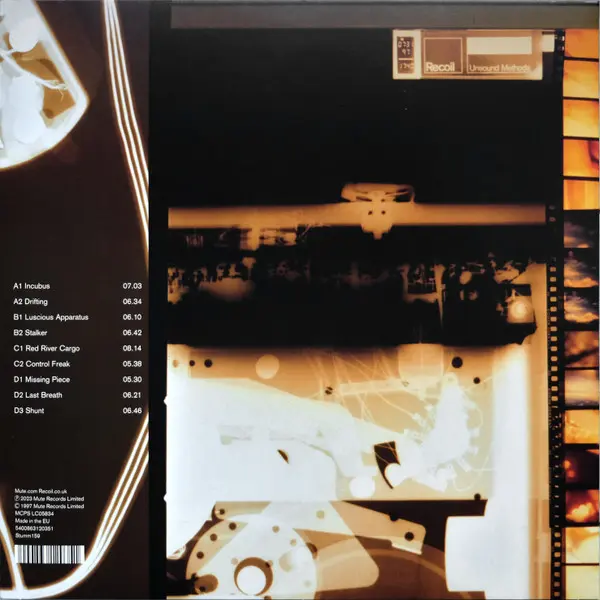
Unsound Methods - CD, LP


Prévu le

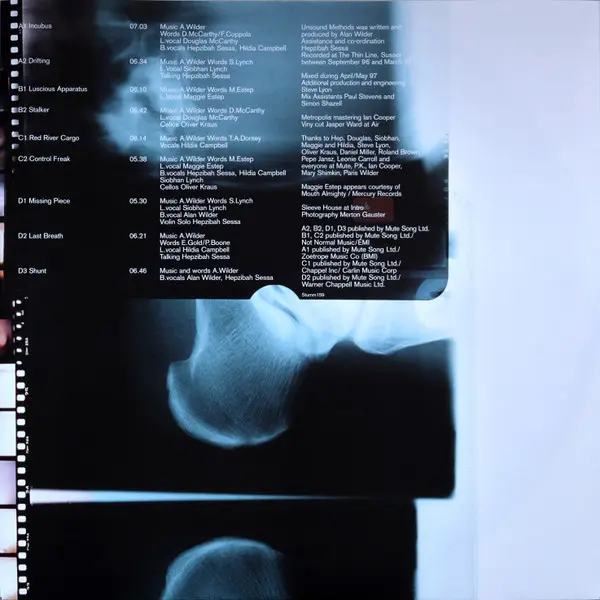
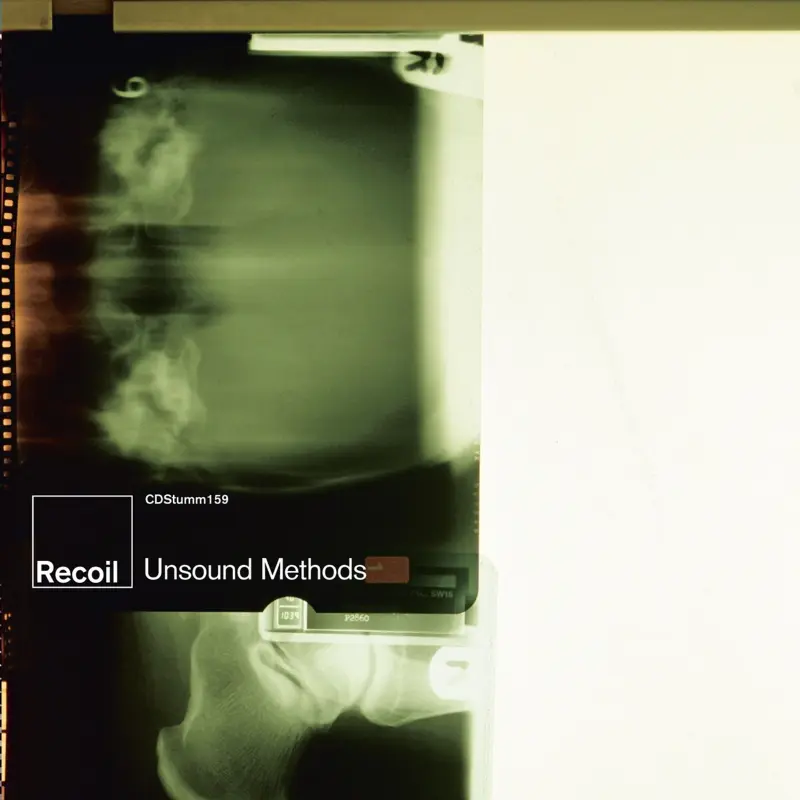
Unsound Methods is the fourth studio album by Alan Wilder's Recoil project and his first album after leaving Depeche Mode in 1995. Originally an outlet for experiments outside the band, Recoil then became his main musical project. Released in 1997, the album was recorded between September 1996 and March 1997 at Wilder's home studio, The Thin Line in Sussex. Wilder produced and mixed it with assistance from collaborators. Four vocalists were given creative freedom: Douglas McCarthy of Nitzer Ebb, Siobhan Lynch, New York poet and spoken-word artist Maggie Estep, and Hildia Campbell, who had sung with Depeche Mode on Songs of Faith and Devotion and the Devotional Tour.
The experimental electronics draw on dark ambient, trip-hop and industrial. Dark, atmospheric arrangements unfold slowly through complex rhythms, rich textures and expressive, often spoken vocals. Wilder compared the process to Songs of Faith and Devotion, sampling fragments of performances and assembling them through sequencing. Opener Incubus pairs a threatening electronic groove with McCarthy's voice and quotations from Apocalypse Now; the album title also comes from a line in the film. The single Drifting combines a dreamy atmosphere, trip-hop beats and female vocals, while fellow single Stalker has a tense, cinematic character. The album was well received among listeners of dark, experimental electronic music.
Album couvre tous les genres Musique électronique, Illbient, Downtempo, Trip Hop, Experimental et Parole.